For Healthcare Companies in Development
Investors want to see it. Your trade show is in six weeks. Your sales team needs something to put in front of physicians. I can help — right now, before your product ever reaches market.
In healthcare, products take years to reach market. But marketing can't wait. Conferences don't reschedule. Investor windows close. And a slide with an engineering render in the corner isn't going to hold a room.
You need content that looks finished. Content that makes your product feel real — its purpose clear, its value obvious — even before the first unit rolls off the line.
A 3D file. A CAD model. A prototype. A sketch on a whiteboard. Whatever you've got, I can work with it.
No photo shoot. No physical product. No problem.
Give me a 3D file — an STL, an OBJ, a CAD model, even a detailed sketch — and I can produce market-ready imagery and video from it. Every light, every shadow, every surface, under complete creative control.
If it exists as a computer file, I can make it look like it's already on the shelf.
What they had
Wireframe model from engineering
What I made
Market-ready lifestyle imagery
Ready to advertise
Amazon, Facebook, or Walmart
Cairns Health is building an ambient monitoring device for connected home care — real-time vitals, AI-assisted care alerts, family communication. The technology is compelling. The product wasn't ready.
I took their STL file from concept to a full suite of investor materials: product renders, in-home lifestyle placement, and a leave-behind built to walk a prospect through everything the device does and why it matters.
3D model
In-home placement
Investor materials
Every product starts somewhere. For Medi-Sound, it started on a notepad.
The concept: a digital amplifier that clips inline on any standard stethoscope, amplifies heart and lung sounds in real time, and streams the waveform to a companion app. Simple. Elegant. Not yet manufactured.
I took the sketch and built everything needed to walk into an investor meeting — product renders, a clinical lifestyle shot showing the device in use, and a spec sheet. It looks like a company that already ships. Because in the room where it counts, it does.
Where it started
Product render
In clinical use
No location. No photo shoot. No guessing.
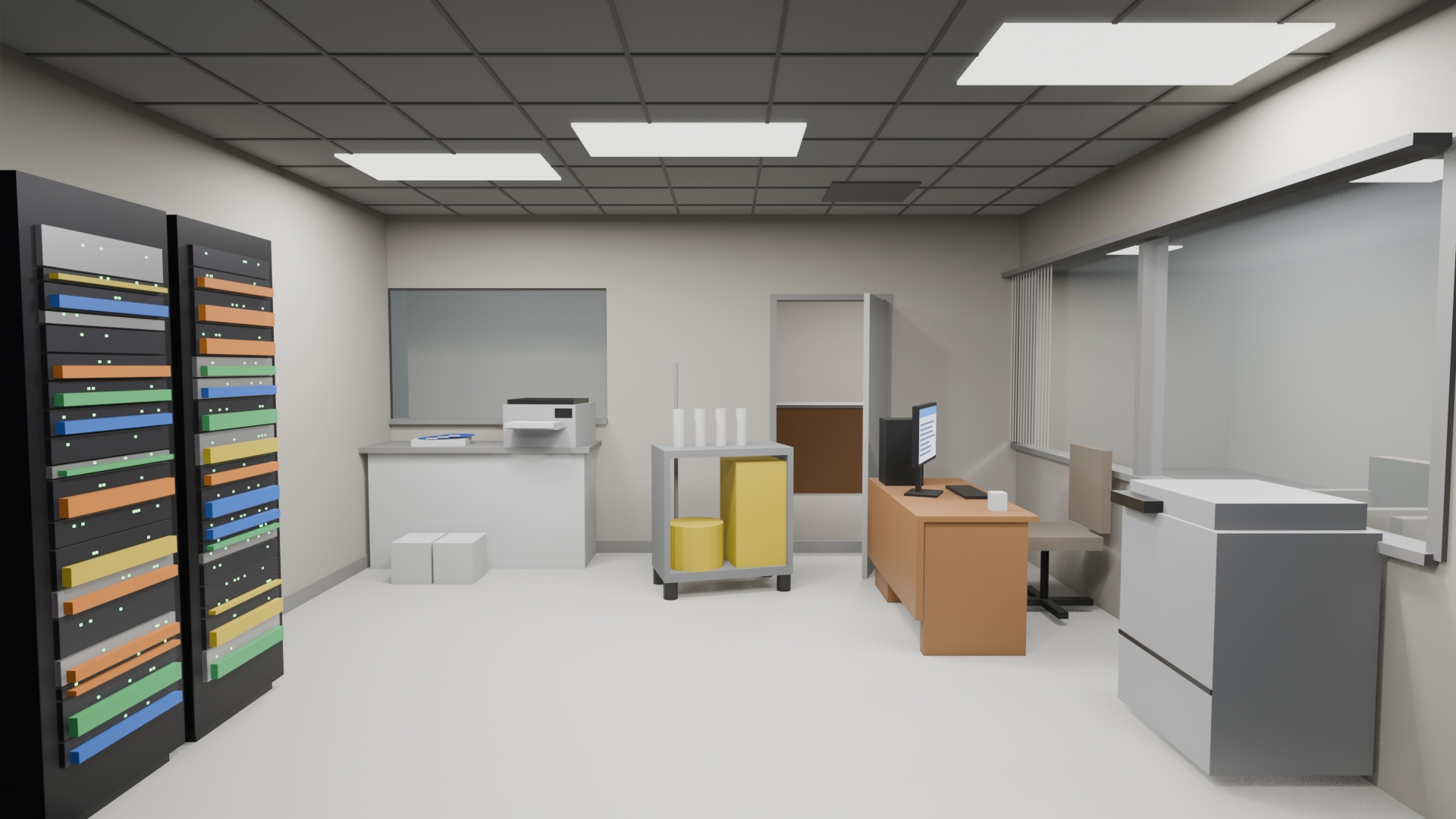
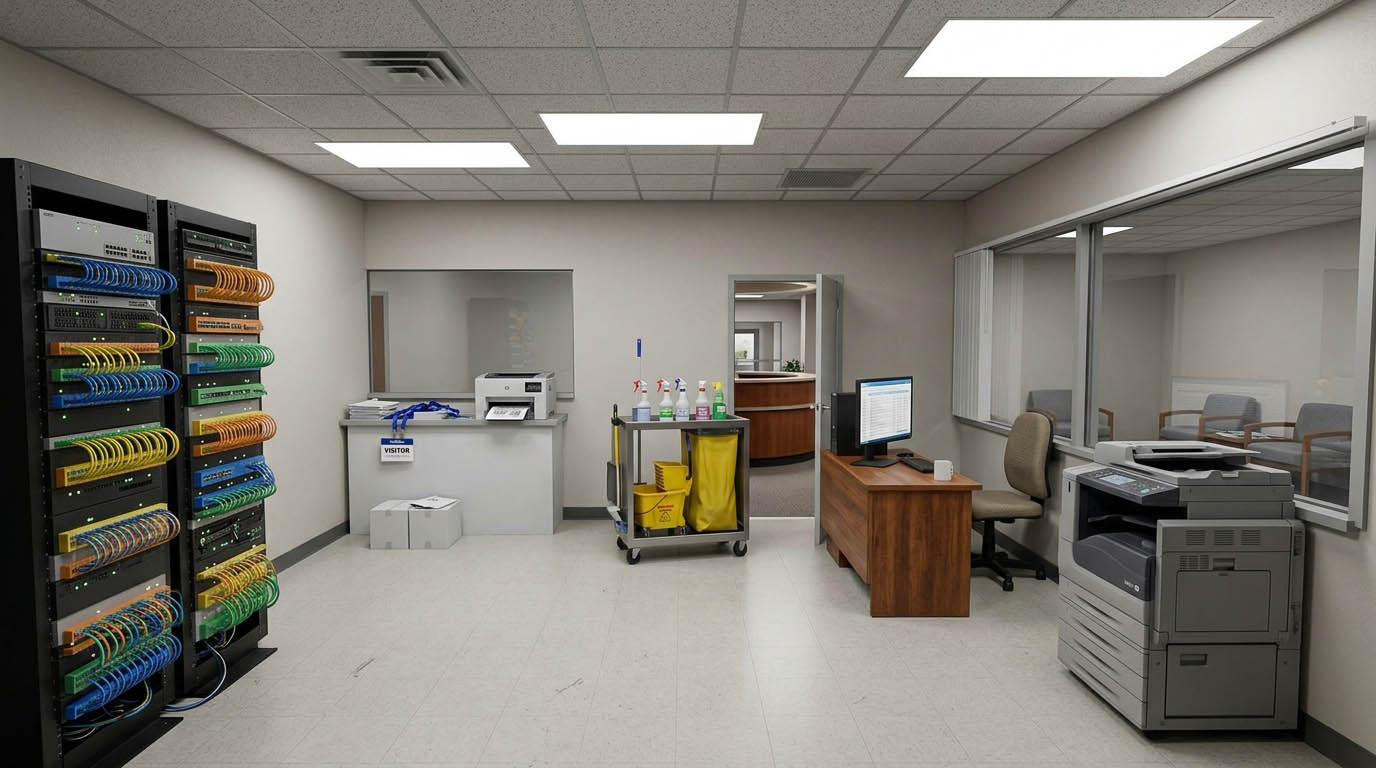
I block out a space in 3D first — where every rack, desk, and piece of equipment goes, and exactly what the camera sees. Then I turn that layout into a photograph.
Because the 3D layout is the reference, nothing is left to chance. The server racks, the copier, the doorway — everything lands where I put it.
3D layout
Reference built in 3D
Photograph
Same room, same camera, now a photo
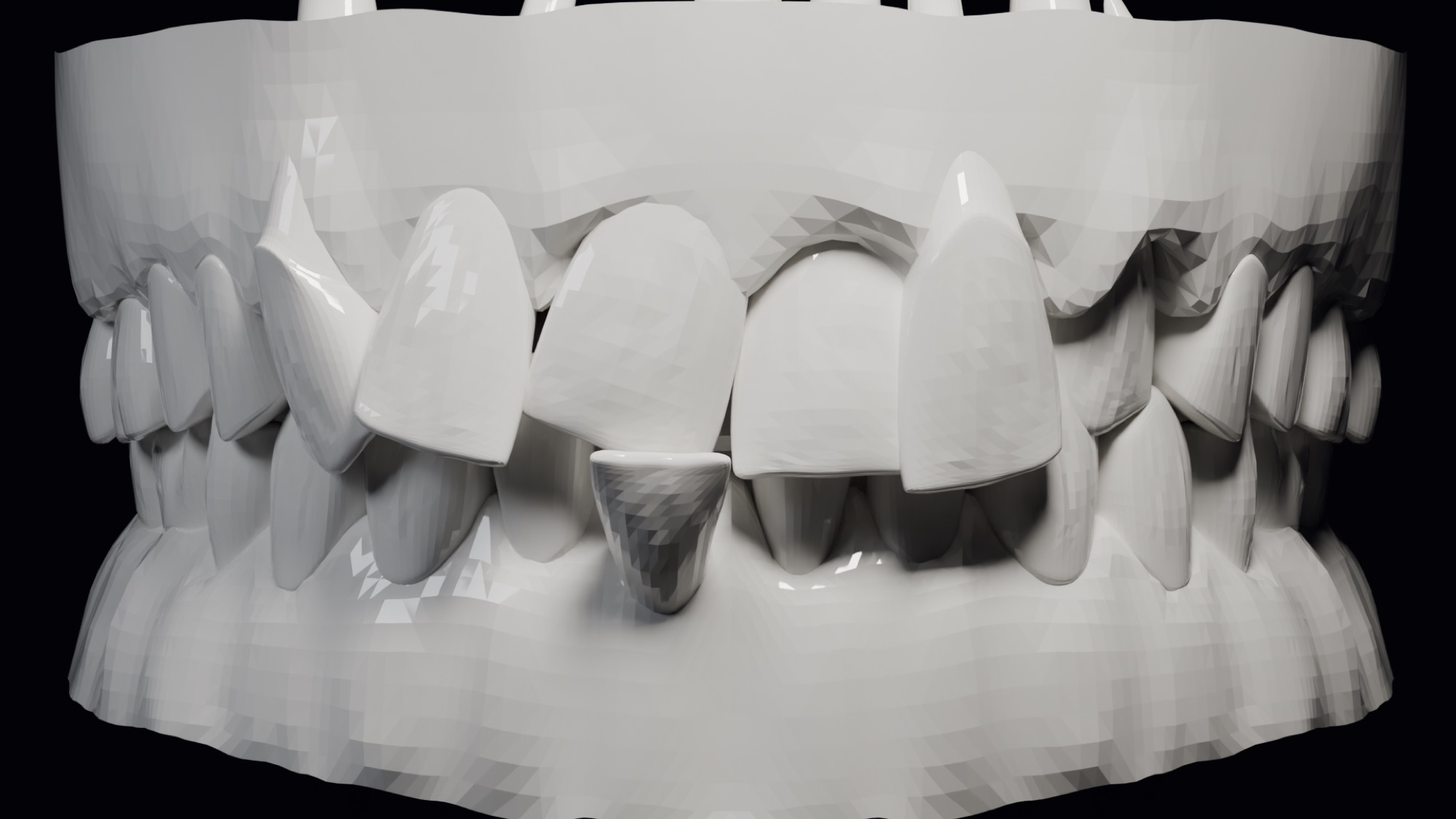
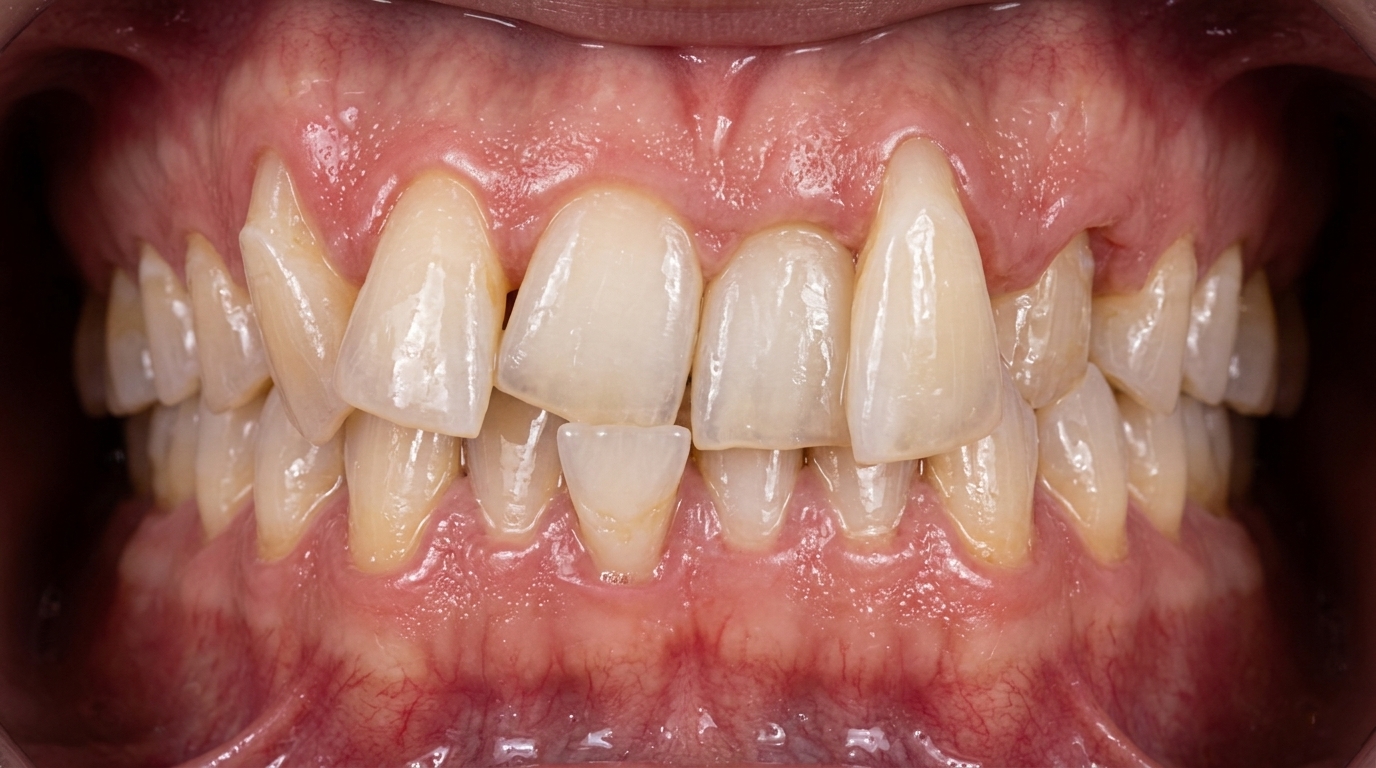
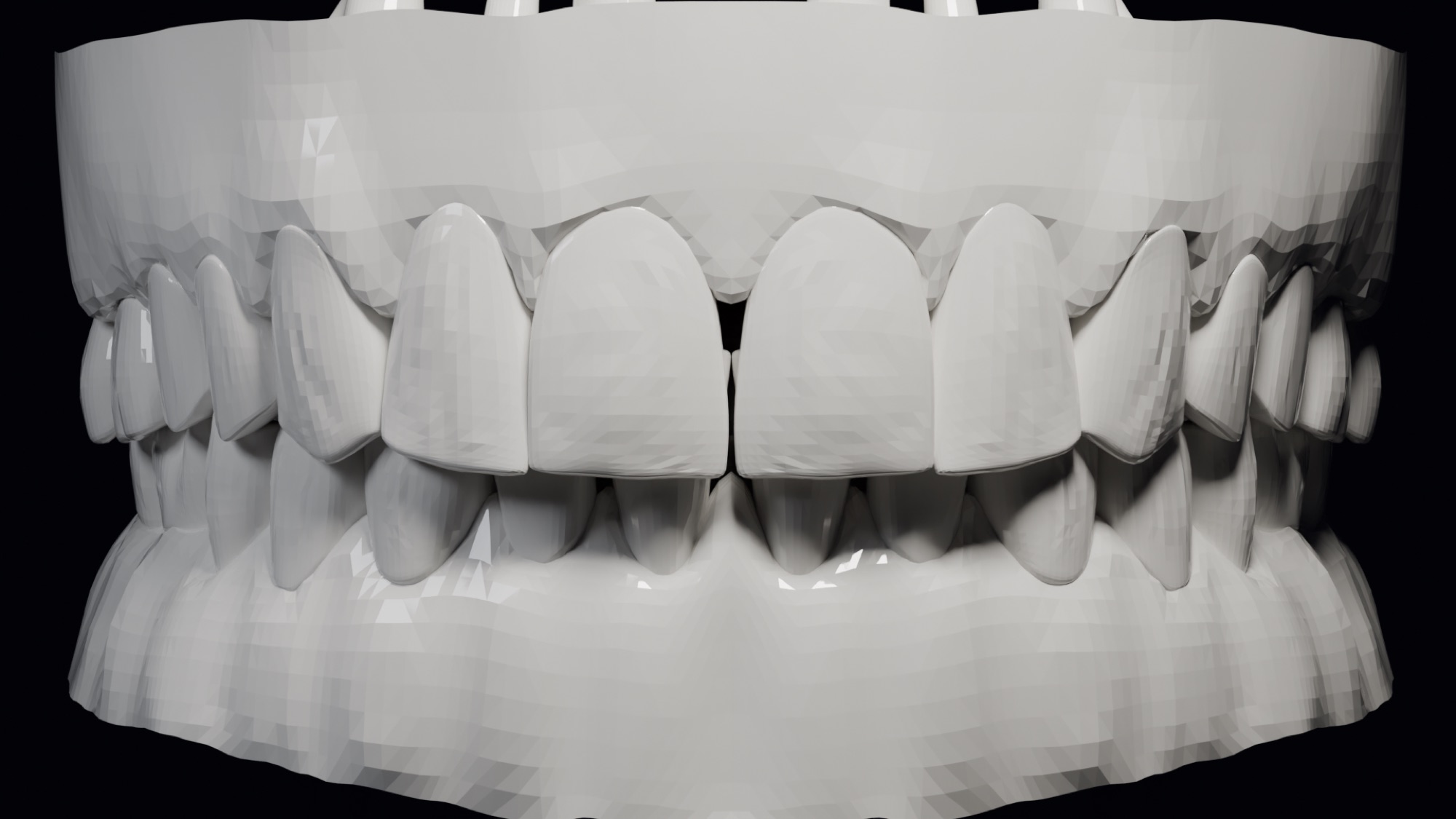
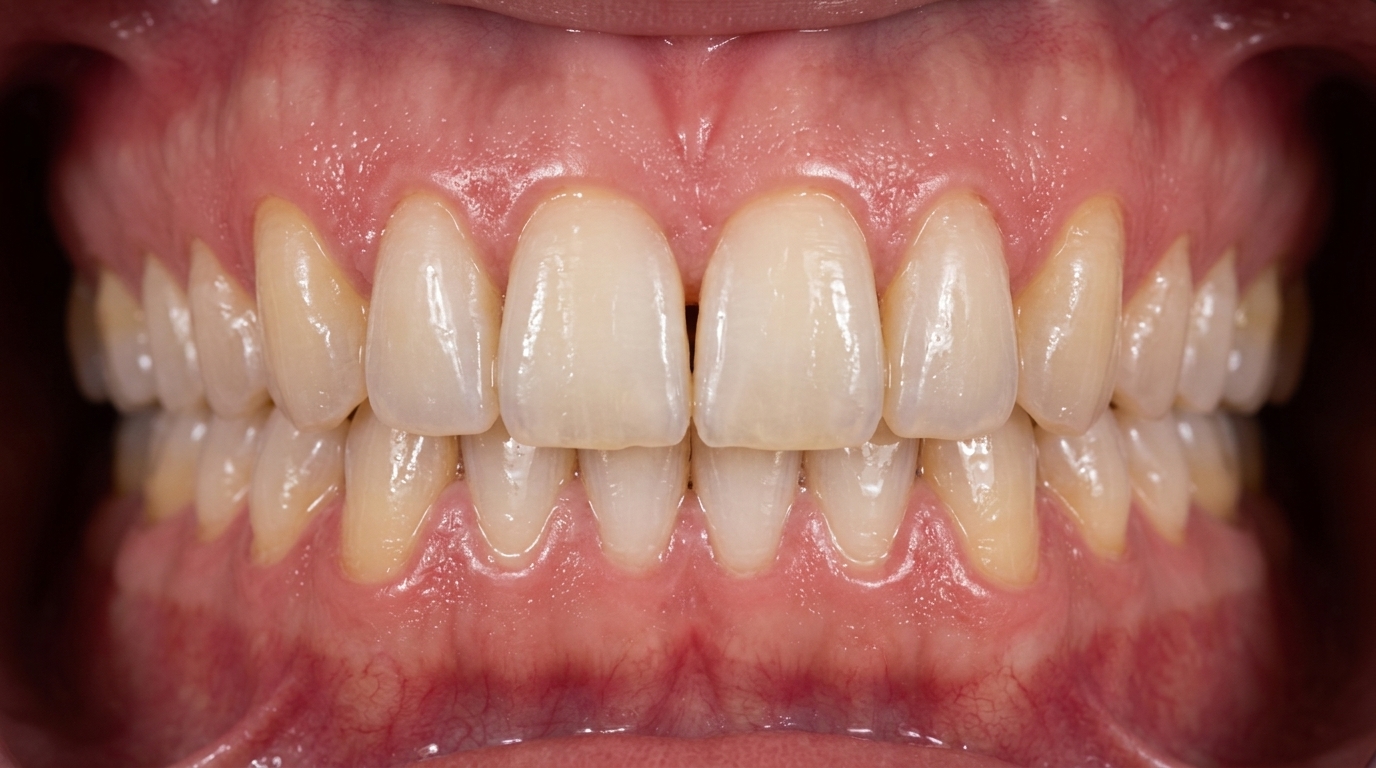
Start with a 3D model of the teeth. Move one tooth. Rotate another. Close a gap. Then turn each version into a clinical-style photograph.
Same mouth. Same camera angle. Same lighting. The only thing that changes is what I changed.
Because I can control every tooth individually, the before and after are precise — not a filter, and not a lucky AI result.
Concept visualization. Not patient results.
Before · 3D model
Before · Photograph
After · 3D model
After · Photograph
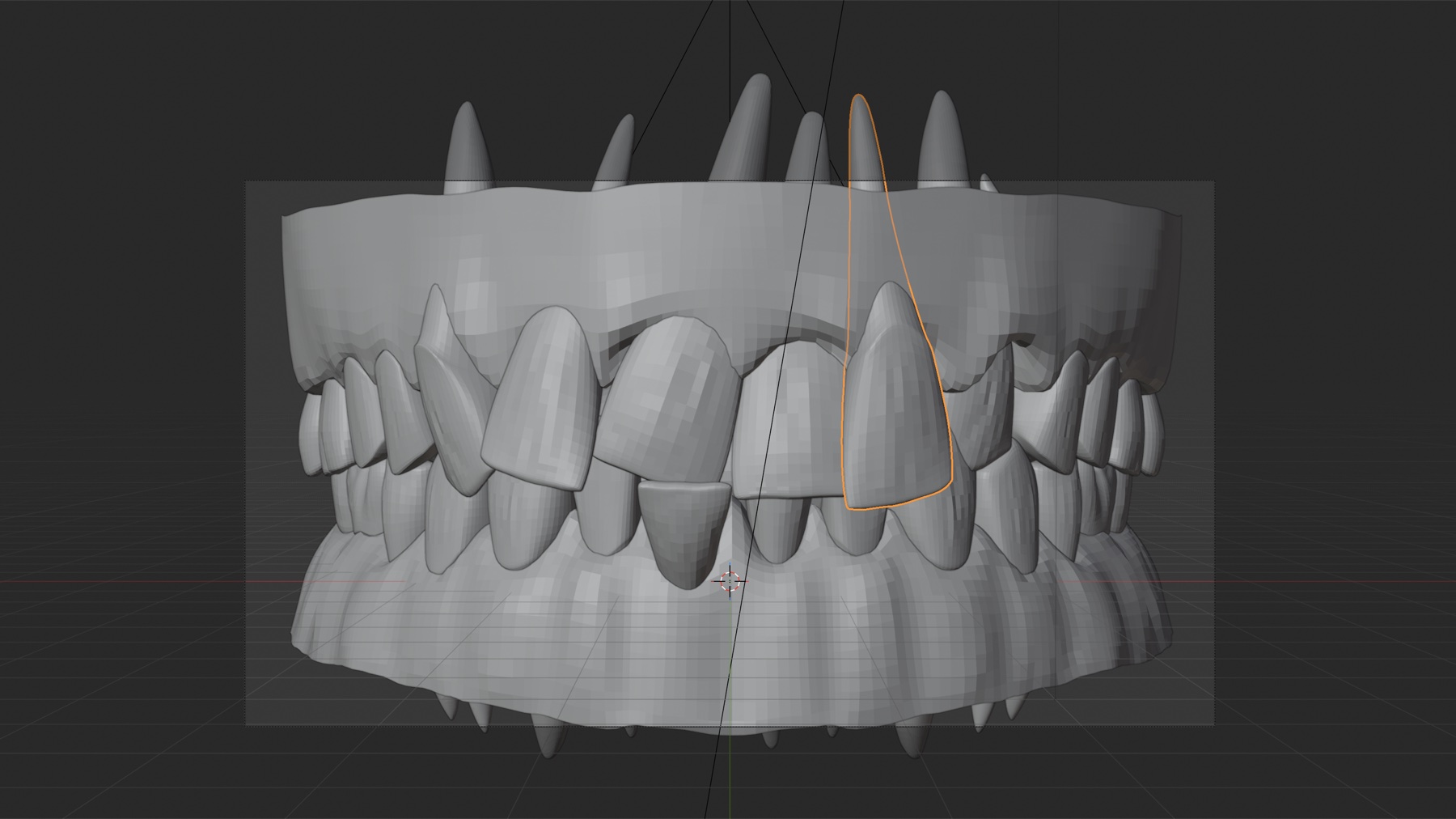
Under the hood
Every tooth is its own object. I can move, rotate, or reshape any one of them.
Photorealistic imagery of your device in real-world settings. From wireframe or concept art to photography-quality output.
From your STL or CAD file to polished product renders — multiple angles, multiple environments, ready for web and print.
Animation and motion graphics that show exactly how your device works. No physical product required.
Leave-behinds, one-pagers, and pitch decks that look like you've already launched. Because to the investor in the room, you have.